Overview
A rotary shaft seal sits in a housing around a turning shaft and stops lubricant from leaking out and dirt from getting in. When it hardens or wears, oil weeps from gearboxes and pumps, and grit reaches the bearings behind it. Replacing the seal when you replace a bearing is cheap insurance.
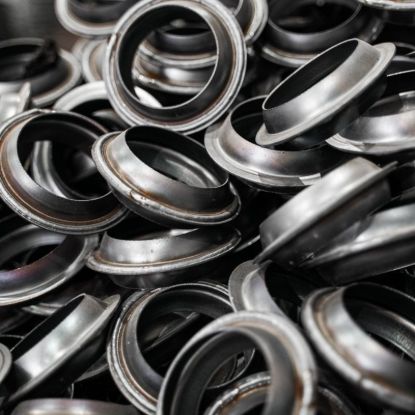
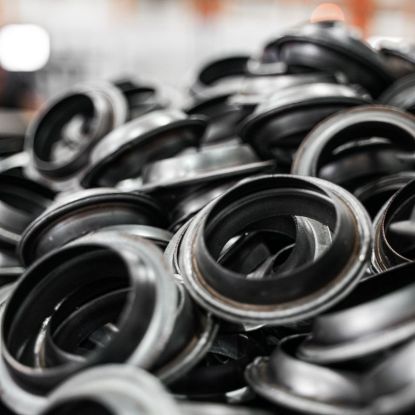
These seals follow DIN 3760 form AS: a rubber-covered outside diameter, a main sealing lip held against the shaft by a garter spring, and a second dust lip on the outside.
Where to use it
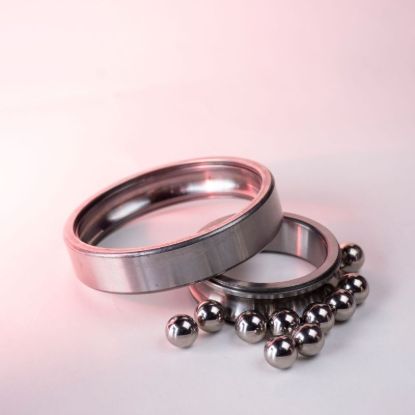
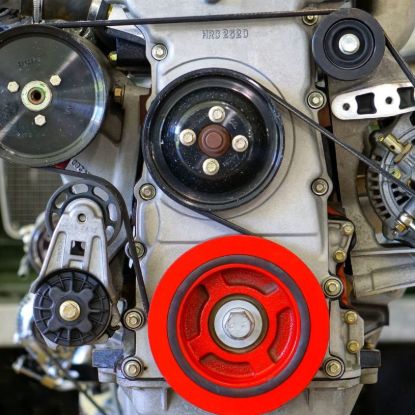
The range covers small shaft sizes used on gearboxes, pumps, electric motors, wheel hubs and machine spindles, including brush and drive units on cleaning machines. The sizes pair with common 6000 and 6200 series bearings on the same shafts.
- Gearbox input and output shafts
- Pump and motor shafts
- Wheel hubs and castors on machines
- Brush motors and drive units
Design and construction
The lip and outer cover are nitrile rubber, which resists mineral oils, greases and water. A steel insert gives the seal its shape, and the rubber outer diameter seals in the housing and helps fitting, even in light alloy housings. The spring keeps the lip in contact with the shaft as it wears and as the temperature changes.
The dust lip keeps dirt and splashes away from the main lip. Pack a little grease between the two lips when fitting to protect the dust lip on start-up.
Choosing the size
Seals are sized as shaft diameter × housing bore × width, in millimetres. Measure the shaft where the lip runs, not a worn groove, and the housing bore. Fit a seal of the same width or check that the housing is deep enough for it.
If the shaft has a groove worn where the old seal ran, either set the new seal slightly deeper or shallower in the housing so the lip runs on fresh metal, or repair the shaft with a sleeve.
Fitting
Clean the housing and shaft and remove burrs from any keyways and shaft ends. Lubricate the lip and the outside diameter with the oil it will seal. Press the seal in square with a fitting tool or a socket that bears on the outer edge, with the spring side facing the oil. Never hammer it directly.
- Spring side faces the fluid being sealed
- Cover keyways and threads with tape when fitting
- Never run the seal dry
- Replace the seal whenever the bearing is replaced
Ordering
Seals are packed singly in a labelled bag. Order them with the matching bearings, and keep a few of the most common sizes in stores. Trade accounts can reorder by part code with quick order.
Store spare seals flat in their bags, away from sunlight and electric motors. Don't hang them on hooks or thread them on wire, as that distorts the lip.
Demo product: invented for the Cartenvo B2B demo store.