Overview
The Edgecraft SDS-plus masonry bit is made for rotary hammer drills. The 6 mm head has four tungsten carbide cutting edges set in a cross, and the overall length is 160 mm.
Four cutters share the impact load more evenly than a two-cutter tip. Holes stay round and to size, which matters when a fixing relies on the hole for its holding power.
Applications
Use it wherever you fix into masonry or concrete with an SDS-plus drill.
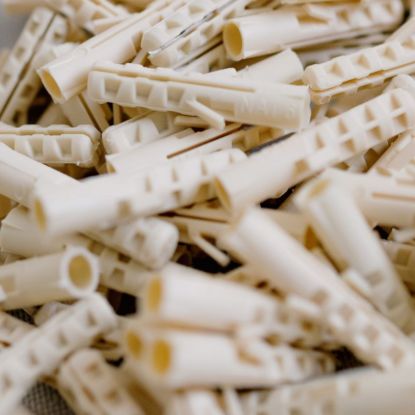
- Holes for frame anchors, wall plugs and through bolts
- Cable and pipe routes through brick and block walls
- Fixing brackets, handrails and racking to concrete floors
- Drilling reinforced concrete with light rebar contact
- Natural stone and dense engineering brick
Design and construction
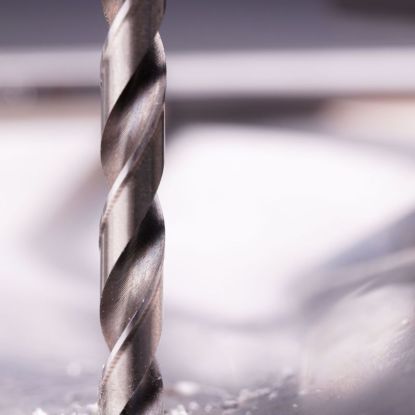
The carbide head is brazed into a hardened alloy steel body. Four deep flutes carry dust out of the hole quickly, which keeps the bit cool and reduces wear. The SDS-plus shank locks into the tool without a chuck key and transmits the hammer blow directly to the head.
Head diameter and tolerances follow ISO 5468, so the hole size matches what anchor manufacturers specify for a given fixing.
Choosing the right size
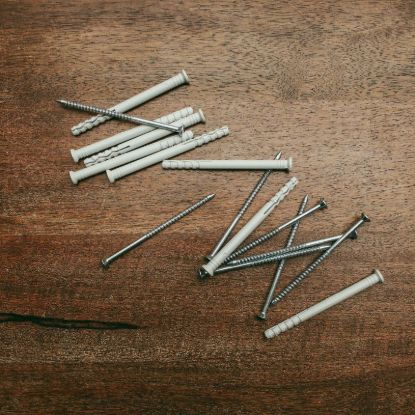
Match the bit diameter to the fixing, not the screw. A 6 mm plug needs a 6 mm hole; an M10 through bolt needs a 10 mm hole. The working length must exceed the embedment depth plus the thickness of anything you fix through.
The 160 mm bits suit plugs and light fixings, the 210 mm bits suit anchors through battens or brackets, and the 260 mm bit reaches through thicker fixtures or block walls.
Matching bits to fixings
Most fixing failures in masonry start with the hole, not the anchor. A hole drilled with a worn bit is undersized, so expansion anchors do not set fully, while a hole drilled with the hammer on in soft brick can be oversized and loose.
Drill the depth the fixing needs plus about 10 mm for dust, and clean the hole before you set the anchor. In hollow block and perforated brick, use rotary mode until you reach solid material, so the webs do not break out behind the face.
Keep a spare of each busy size on the van. Edgecraft SDS-plus bits share the same shank as other SDS-plus accessories, so they fit any SDS-plus tool your team already uses, corded or cordless. Store them in a case or roll so the carbide heads do not knock together, as chipped corners shorten the life of the bit.
Use and care
Select hammer mode, let the tool do the work and avoid leaning on it; extra force slows drilling and overheats the head. Pull the bit back now and then to clear dust. Clean holes with a pump or brush before setting anchors.
Grease the shank lightly so it slides freely in the tool. Replace the bit when the corners of the head are rounded, as worn bits drill undersized holes. Trade customers can order the common sizes together through quick order.
Demo product: invented for the Cartenvo B2B demo store.