Overview
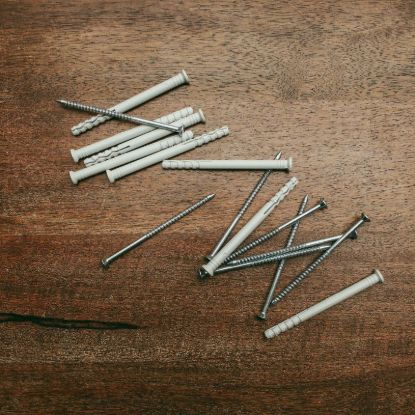
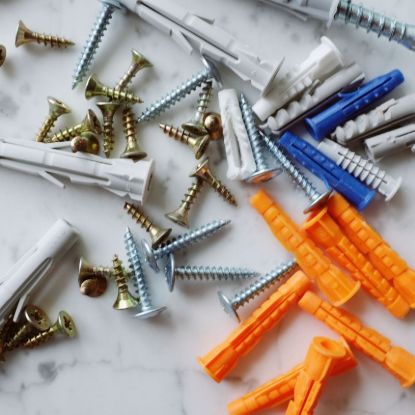
The nylon wall plug is the most used fixing on any site. Drill a hole, push the plug in, and a wood screw driven through the fixture spreads the plug against the sides of the hole. These Forgeline plugs are moulded from tough polyamide that stays flexible in cold weather and does not crack when the screw is driven.
Each plug splits into four as it expands, so it grips evenly all round the hole. Fins along the body stop it turning while the screw is driven. The result is a fixing that tightens properly instead of spinning, even when a power driver is used.
Sold in packs of 100 plugs.
Where to use it
Use these plugs for light and medium fixings into solid masonry:
- Shelving brackets, cupboards and mirrors
- Cable clips, conduit saddles and small enclosures
- Signs, notice boards and dispensers
- Curtain tracks, coat hooks and handrails for light duty
- Pipe clips and small fittings
Design and construction
The plug has no collar, so it can be pushed in flush with the surface or set below plaster into the masonry behind. That matters on rendered or plastered walls, where the plaster alone cannot carry load.
The plug length rises with the diameter, from 25 mm for the 5 mm size to 50 mm for the 10 mm size. The bore is shaped so the screw threads cut into the plastic and pull the plug tight as it expands.
Choosing the right size
Pick the plug to suit the screw. A 5 mm plug takes 3.0 to 4.0 mm screws, a 6 mm plug 3.5 to 5.0 mm, an 8 mm plug 4.5 to 6.0 mm, and a 10 mm plug 6.0 to 8.0 mm screws. The screw should be long enough to pass through the fixture and the full length of the plug, plus at least one screw diameter.
For heavy loads such as wall cupboards full of stock, use the larger sizes and more fixings. For hollow walls or plasterboard, use cavity fixings instead; these plugs need solid material to grip.
Installation
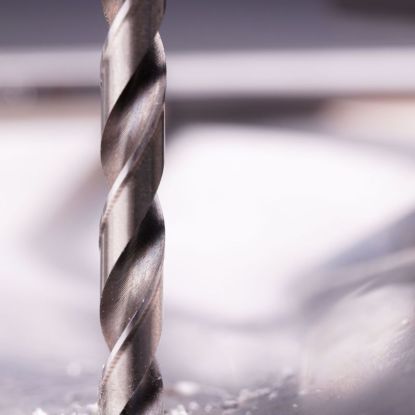
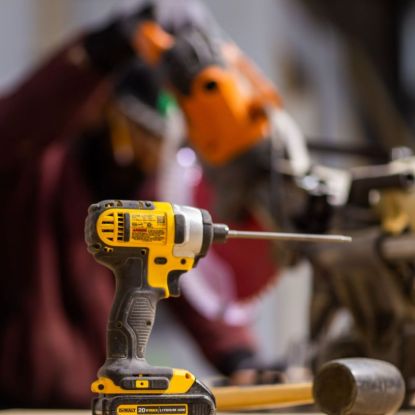
Drill a hole the same diameter as the plug, about 10 mm deeper than the plug length, using hammer action in concrete and hard brick. Blow or brush out the dust, push the plug in until it is flush with or below the surface, then fix through the item with the screw.
Keep holes at least 50 mm from edges and corners of brickwork and away from mortar joints where you can. A hole that is too big or a crumbling joint is the usual cause of a plug that spins.
Packaging and ordering
Plugs come in bags of 100 with a size and barcode label, ready for van stock or stores bins. Order them alongside wood screws and masonry bits; trade customers can put all three in one quick order and see their tier prices for larger quantities.
Demo product: invented for the Cartenvo B2B demo store.