Overview
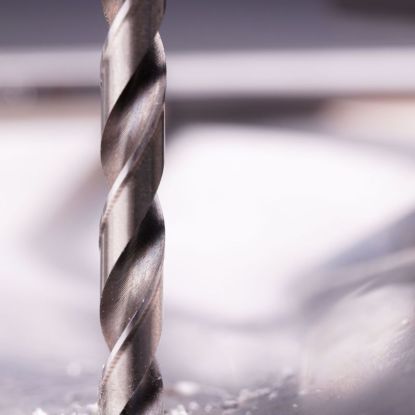
The Edgecraft 4 mm HSS jobber drill is the everyday bit for metalwork and general fixing. It is ground from solid M2 high-speed steel rather than rolled, so the flutes and cutting lips are accurate and stay sharp for longer.
Each pack holds 10 identical bits. That suits workshops and site teams who get through the common sizes quickly and want spares in the van rather than a single bit in a set.
Where to use it
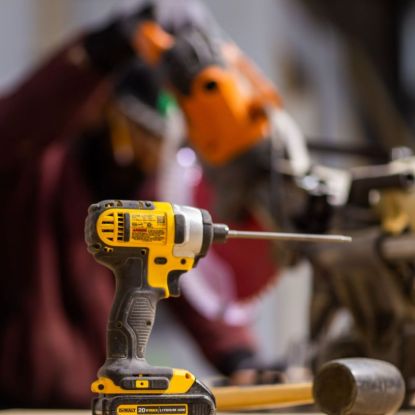
Use it in hand drills, cordless drill drivers, pillar drills and magnetic drill stands. It cuts mild and alloy steel up to about 900 N/mm², cast iron, brass, copper, aluminium, rigid plastics and timber.
- Clearance holes for bolts and self-tapping screws
- Pilot holes before larger bits or step drills
- Brackets, angle iron, box section and sheet steel
- Maintenance work on machinery and frames
- Timber and board where a wood bit is not to hand
Design and construction
The 135° split point is self-centring. It reduces walking on curved or smooth surfaces and needs less feed force than a plain 118° point, which helps with cordless tools. The type N helix clears chips well in steel and most general materials.
Diameters are ground to h8 tolerance with a slight back taper, so the bit does not bind in the hole. Dimensions follow DIN 338 jobber lengths, the length most drill chucks and drill guides are made for.
Getting the best from it
Run the bit at the right speed for the material: smaller bits faster, larger bits slower. The recommended speed for mild steel is listed in the specifications. Halve it for stainless steel and roughly double it for aluminium.
Use cutting oil in steel, keep a steady feed so the bit cuts rather than rubs, and ease off as it breaks through. Clamp the workpiece; never hold small parts by hand. Blunt bits can be resharpened on a drill grinder at 135°.
Choosing the right size
For a clearance hole, choose a bit slightly larger than the bolt: 6.5 or 7 mm suits an M6 bolt, 9 or 10 mm suits M8, and 11 or 12 mm suits M10. For a tapping hole, choose the core size of the thread instead, for example 5 mm for M6 and 6.8 mm for M8.
For self-tapping screws into sheet steel, check the screw maker's pilot size, which depends on the sheet thickness. In timber, a pilot hole of about two thirds of the screw diameter stops hardwood splitting and makes driving easier.
If you drill holes above 8 mm in thick steel, work up in two steps. A smaller pilot reduces the load on the chisel edge of the larger bit, so the hole stays round and the bit lasts longer. The 4 mm size is listed with its overall and flute length in the specifications, so you can check it reaches through your material.
Ordering and packaging
Bits come in a clear, labelled plastic tube that keeps them dry and easy to count. Trade account holders can add several sizes at once with quick order, and tier prices apply when you buy more packs. Stock is shown on the product page for each size.
Demo product: invented for the Cartenvo B2B demo store.