Overview
Self-tapping screws join thin metal parts without a nut or a tapped hole. You drill a pilot hole, then the hardened thread rolls its own mating thread in the sheet as the screw is driven. The result is a firm, vibration-resistant joint that can be undone and refitted.
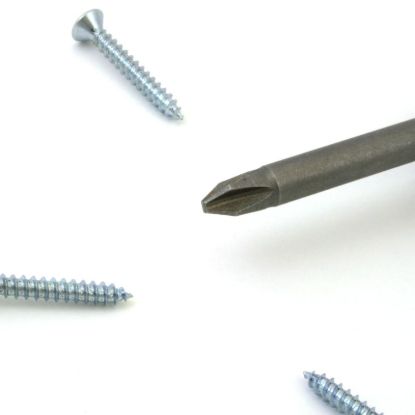
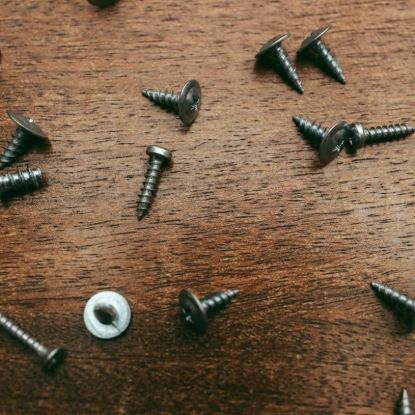
These Forgeline screws have a low pan head with a wide bearing face and a pozidriv recess. They are made from case-hardened carbon steel and zinc plated for indoor use. The finish gives a neat, even look on visible panels and stops the screws rusting in the box.
Sold in packs of 200 screws.
Where to use it
Typical uses for pan head self-tappers include:
- Ductwork, flashing and sheet metal fabrication
- Electrical enclosures, trunking and cable tray lids
- Machine panels, guards and covers
- Vehicle body repairs and van racking
- Fixing plastic parts and clips to steel
Design and construction
The thread is a coarse spaced pattern to ISO 1478 with a tapered point (form C), which lines up with the pilot hole and starts cutting straight away. The surface is hardened so the thread stays sharp in mild steel and aluminium, while the core stays tough enough not to snap.
The pan head sits proud of the surface with a flat underside that clamps the sheet evenly. It is a good choice where a countersunk head would pull through thin material. It also leaves enough head height to grip with pliers if a recess is ever damaged.
Choosing the right size
The first number is the thread diameter in millimetres and the second is the length under the head. Use 4.2 mm screws for lighter sheet up to about 2 mm, and 4.8 mm screws for thicker sheet or where you need more holding power.
Pick a length that passes right through all the layers with at least three threads showing on the far side. The recommended pilot hole and sheet thickness for each diameter are in the specifications.
Fitting tips
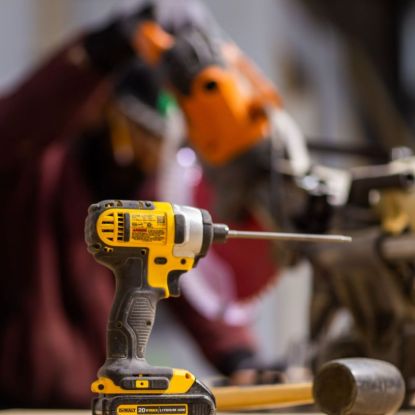
Drill a clean pilot hole and remove burrs, then drive the screw square to the sheet with a PZ2 bit. Use a low clutch setting on the driver. Overtightening strips the formed thread in thin sheet and the screw will spin.
For sheet without a pilot hole, use self-drilling (tek) screws instead. Outdoors or on roofing, choose screws with a sealing washer and an exterior coating.
When joining two sheets, clamp them together while you drill so the holes line up and swarf does not get trapped between the layers. Clean away swarf after fixing, because steel filings left on painted or stainless surfaces soon rust and stain.
Packaging and ordering
Screws are boxed in 200s with a size and barcode label. Electrical and HVAC contractors often keep two sizes on each van, so the most common panel and trunking jobs are covered without a trip back to the stores; trade customers can reorder in one go from their order history or with quick order.
Demo product: invented for the Cartenvo B2B demo store.