Product overview
S3 is the most common rating on construction sites because it covers the main foot risks in one boot: a toe cap tested to 200 joules, a penetration-resistant midsole against nails, an antistatic sole, an energy-absorbing heel and an upper that resists water.
This boot pairs that protection with a cushioned footbed and a padded collar and tongue, so it stays comfortable through long shifts on hard and uneven ground.
Choosing a version
All three versions share the same sole, fit and S3 rating. Choose by the work and by what your site rules ask for.
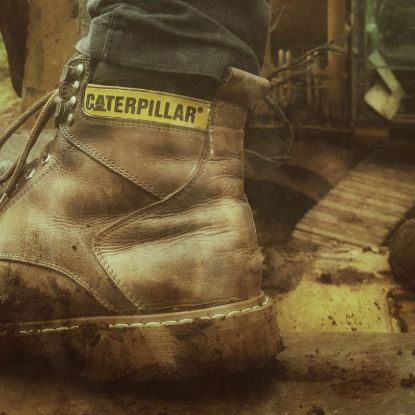
- Black leather: smooth full-grain leather, easy to polish, suits site and facilities work
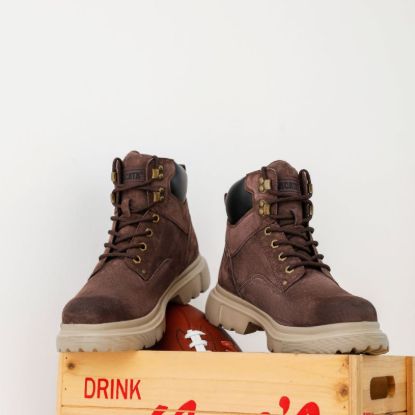
- Brown nubuck: buffed leather with a matt finish, popular with trades and groundworkers
- Composite toe: metal-free toe cap and midsole, lighter, warmer in cold weather and passes through metal detectors
Design and construction
The leather and nubuck boots have a steel toe cap and a steel midsole. The composite boot uses a fibreglass toe cap and a layered textile midsole, which flexes more and covers the whole underfoot area, though it is slightly thicker.
The outsole is nitrile rubber, resistant to oil and fuel, and heat resistant to 300 °C for short contact. The tread is self-cleaning and rated SRC, the highest slip-resistance mark of the older system, on both ceramic and steel surfaces. A scuff cap on the toe protects the leather when kneeling.
A padded lining wicks moisture away from the foot, and the removable footbed can be swapped for an orthotic insole if needed.
Fit and sizing
Sizes run from UK 6 to 12 in a standard (F) width. Try boots on at the end of the day, when feet are at their largest, wearing the socks you will use at work. Your toes should not touch the toe cap when you walk, and your heel should not lift more than slightly.
Lace the boots firmly through the top hooks for ankle support on rough ground. New leather boots soften within a week or two; if they still pinch after that, they are the wrong size or shape for your foot.
Care and replacement
Brush off mud after each day and let wet boots dry naturally away from radiators. Treat smooth leather with polish or wax and nubuck with a nubuck spray to keep the upper water resistant. Unlace boots fully to take them off, which saves the heel counter.
Replace boots after any heavy impact on the toe cap, or if the sole is worn smooth, split or separating from the upper. A deformed toe cap no longer gives its rated protection, even if it looks fine.
Ordering for teams
Boots are sold by the pair. Trade accounts see their tier prices, and the quick order form lets you order several sizes and versions for a whole team in one basket.
Demo product: invented for the Cartenvo B2B demo store.