Product overview
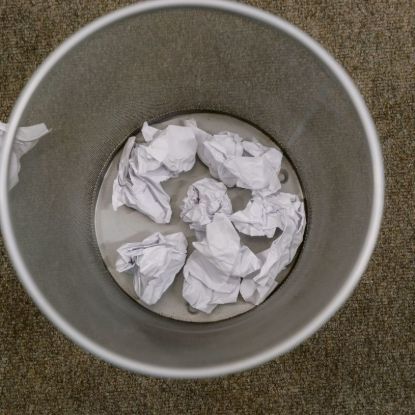
Purevo bin liners are lightweight white polythene liners for small and medium indoor bins. They are made from high-density polythene, which is strong for its thickness, so a thin film carries everyday waste such as paper towels, packaging and food wrappers without tearing.
The liners come on perforated rolls inside the box. Cleaning staff can carry a roll on the trolley and tear off one liner at a time, which is quicker than handling loose liners and keeps the rest clean.
Choosing the right size
Two sizes cover most indoor bins. Measure your bins or check the capacity on the base before ordering.
- Pedal bin liners: for bins around 10 to 15 litres, such as washroom, office and under-desk bins
- Swing bin liners: for bins around 40 to 50 litres, such as kitchen, canteen and corridor bins
- Both: white high-density polythene on perforated rolls
Where they are used
Pedal bin liners go in washroom bins, desk-side bins, meeting rooms and reception areas. Swing bin liners are for larger bins in kitchens, staff rooms, canteens, corridors and break-out areas, where waste builds up faster.
White liners look clean and tidy in customer areas, and make it easy to see when a bin is full or needs changing. A neat, regularly emptied bin is one of the first things visitors notice in a washroom or meeting room.
Changing liners well
Change liners before they are full. A liner filled to the brim is hard to tie, may split when lifted and spills onto the floor. Tie the neck, lift it straight out, and fit a new liner with the top folded over the bin's rim so it stays in place.
Wipe the inside of the bin regularly, especially in kitchens, to prevent smells. Do not use these liners for heavy, wet or sharp waste; use a refuse sack for those.
Choosing liners or sacks
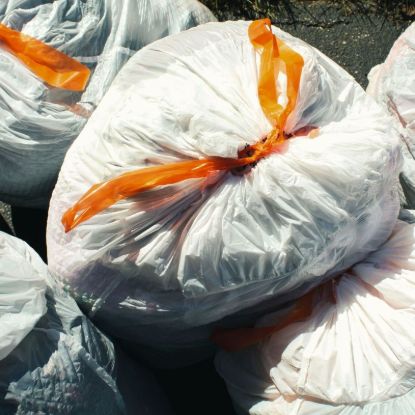
Liners are designed for small, light loads in indoor bins. For general waste from larger bins, building sites and workshops, use a proper refuse sack, which is thicker and has a stronger base. Using liners where a sack is needed often leads to double-bagging, which costs more and uses more plastic.
Many sites use both: liners in every room, and refuse sacks in the central bins where those liners end up.
For washrooms with sanitary bins, follow your sanitary waste contractor's instructions, as these bins are usually serviced separately and need their own liners or containers.
Packs and ordering
A box of 1000 lasts a long time on most sites and stores easily. Trade customers can add liners to the same saved list as sacks, hand towels and tissue, so one quick order restocks the cleaning store. Tier prices apply on several boxes.
Demo product: invented for the Cartenvo B2B demo store.